
 By
By 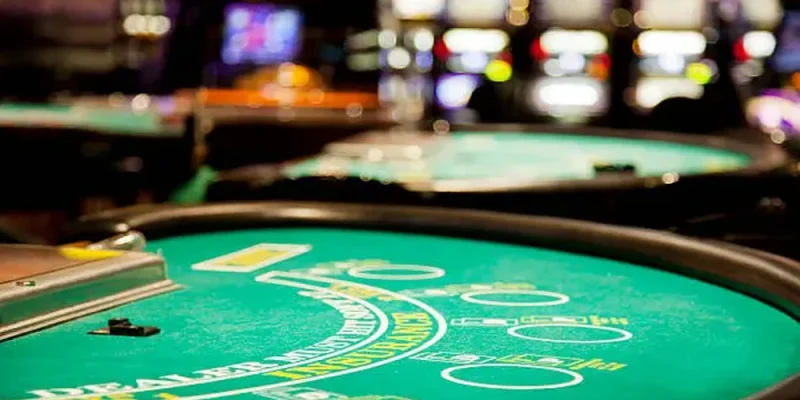
A side wager occupies a structurally distinct position within a table game that separates it from the base game bet in ways that go beyond simply being an additional wager placed at the same time. The base game bet determines the primary outcome of a hand or round and drives the core decision sequence the game is built around. A side wager resolves independently of that primary outcome, based on a specific card combination, dealer hand characteristic, or game state condition that has no bearing on whether the base game bet wins or loses. Online casino table games carry side wagers across multiple categories, and the defining characteristic that makes each side wager distinct from the base game is this independence of resolution, the fact that a player can win a side wager on a hand where the base game bet loses, and lose a side wager on a hand where the base game bet wins, with neither outcome influencing the other.
Why side wagers attract different engagement?
Side wagers attract a different quality of player engagement than base game bets because their resolution criteria are typically simpler, their payout potential is typically higher, and their outcome is determined by factors outside the player’s strategic control. A blackjack player can apply decision strategy to their base game bet through hitting, standing, splitting, and doubling choices. A perfect pairs side wager on the same hand resolves based entirely on whether the initial two cards dealt match in rank and suit, which no strategic input influences. This removal of strategic agency from the resolution criteria is what gives side wagers their distinctive character within a game format that otherwise rewards informed decision-making. The higher variance payout structure that accompanies most side wagers reflects this shift in resolution mechanics, compensating for the absence of strategic input with prize potential that base game bets structured around even or near-even returns cannot offer.
Side wager design across game categories
Blackjack carries the widest variety of side wager options across its available implementations, with perfect pairs, 21+3, lucky ladies, and bust it representing four structurally distinct side wager designs that resolve on different criteria using different portions of the cards dealt during a standard hand. The 21+3 side wager uses the player’s two initial cards alongside the dealer’s upcard to form a three-card poker hand, which introduces a cross-game resolution mechanic that combines blackjack dealing structure with poker hand rankings in a single wager. This cross-game design is itself a distinguishing characteristic of the side wager category, appearing across multiple formats where developers have combined resolution criteria from different game traditions to create side bet mechanics that could not exist within the base game structure alone.
Poker-based table game side wagers resolve on hand strength criteria that parallel the base game’s own resolution mechanics but apply them to a higher threshold, with jackpot side bets in Caribbean Stud and Three Card Poker requiring hands that exceed the dealer qualification threshold by a significant margin before any side wager payout applies. Baccarat side wagers including player pair and banker pair resolve on a single dealt card condition that is entirely separate from the main hand outcome, making them among the structurally simplest side wagers available across the table game category despite appearing within one of the category’s most widely played base game formats.
Side wagers are ultimately distinguished not by their additional cost to the player or their payout potential in isolation but by the independence of their resolution from the base game outcome, the simplicity or novelty of their trigger criteria, and the degree to which they introduce prize mechanics that the base game structure cannot accommodate within its own wager framework.









Comments